



The Trump administration has initiated deportation proceedings against 34 former military members in the past year after immigration officials were told to ignore previous guidance that gave more respect to military members and their relatives, according to federal data obtained by The New York Times.
The 34 people are among 125 former military personnel arrested for immigration violations in the past year, according to the data. Authorities also placed 248 relatives of former soldiers in deportation proceedings.
The move marks a departure from recent policies, such as under President Joseph R. Biden Jr.'s administration, which did not prioritize detaining or deporting military personnel who commit crimes. The Biden administration also avoided targeting family members of former immigration enforcement agents.
But the Trump administration reversed the policy last year, arguing that no one should be protected from the law, which says immigrants convicted of certain crimes can be deported.
The Department of Homeland Security did not respond to questions, including whether any veterans or family members detained in the past year were ultimately deported. The government defended its policy and said no one is exempt from penalties for violating immigration laws.
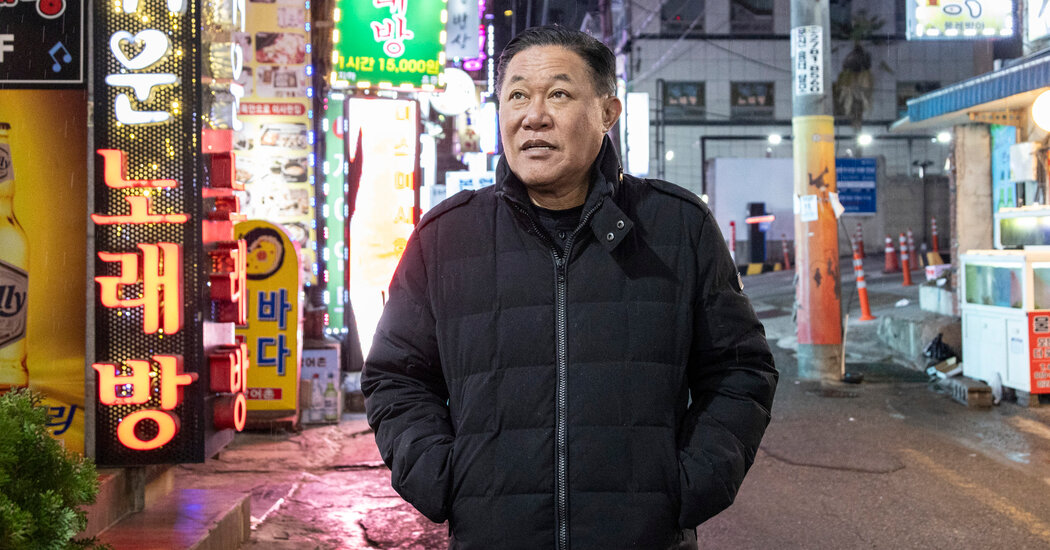
In one high-profile example of the new policy, Park Se-joon left Hawaii for South Korea in June after being threatened with deportation, even though he had not lived there since he was 7 years old. Park, who earned the Purple Heart for his efforts, joined the military after graduating from high school and was deployed to Panama in 1989, returning with a disability and undiagnosed post-traumatic stress disorder.
The following year, he was convicted of drug possession and served two years, then missed a bail hearing and was sent back to prison.
During his second stint in prison, a judge ordered him to be deported. Upon his release, he was allowed to remain in the country as long as he resisted deportation orders, stayed out of further trouble and checked in regularly with immigration officials, according to Hawaii news reports.
But in May last year, immigration officials told him he would be deported if he did not leave voluntarily.
Lawmakers and immigrant advocates say the new policy does little to make the country safer and is an insult to the people who put their lives on the line for the country.
“Donald Trump's way of thanking our veterans for their service is to target and deport them and their families,” Sen. Elizabeth Warren, D-Mass., said in a statement Monday.
The data was revealed in a February 18 letter from the Department of Homeland Security to Democratic lawmakers, including Warren. The applicable period is from January 20, 2025 to January 26, 2026.
Immigration and Customs Enforcement annually releases data on arrests and deportations of immigrant service members. The government announced that it had arrested 24 immigrant service members for immigration violations in fiscal year 2024, but did not say whether that number included current, former service members, or both. In its first year, the Trump administration arrested 125 former military members for immigration violations. .
Only U.S. citizens and green card holders can join the military. Doing so can facilitate a path to citizenship for green card holders. The first Trump administration and the current administration instituted policies that required long waiting times before people were eligible to apply. The number of green card holders who served in the military and applied for citizenship declined significantly during President Trump's first term.
As of July 31, 2025, there were 26,708 immigrants on active duty and 20,350 in the Selective Reserve and National Guard, according to federal data. The Department of Veterans Affairs did not respond to questions about the current number of immigrant veterans. According to a Congressional Research Service report, there were 115,000 immigrant veterans in 2022.
Military recruiters continue to tout U.S. policies that promise immigrants who join the military a quick path to citizenship and temporary protection for their families. Spouses, children, and parents of immigrant veterans and active duty military personnel may apply for temporary residence permits.
Some relatives are now hesitant to apply for benefits, fearing they will be subject to deportation. The agency does not regularly track military families placed in deportation proceedings, so it is unclear how that number compares with previous years.
The Trump administration is targeting other immigrant groups that have not previously been considered enforcement priorities, such as undocumented immigrants who have lived in the country for decades and have no criminal records.
From January 21 to November 19 of last year, the administration deported 86 immigrants who were receiving deportation protection for entering the country illegally as children, according to separate federal data provided to lawmakers.
